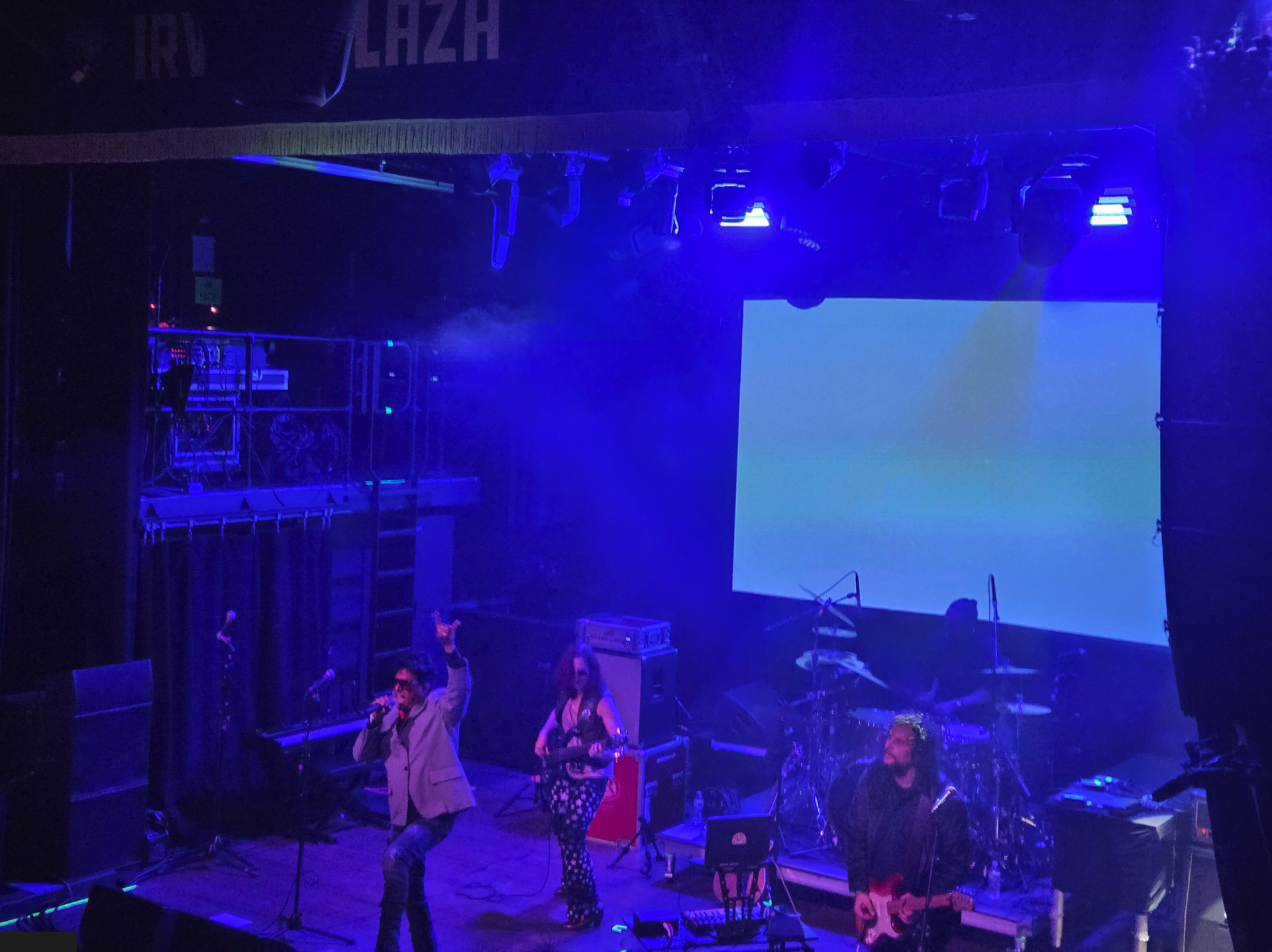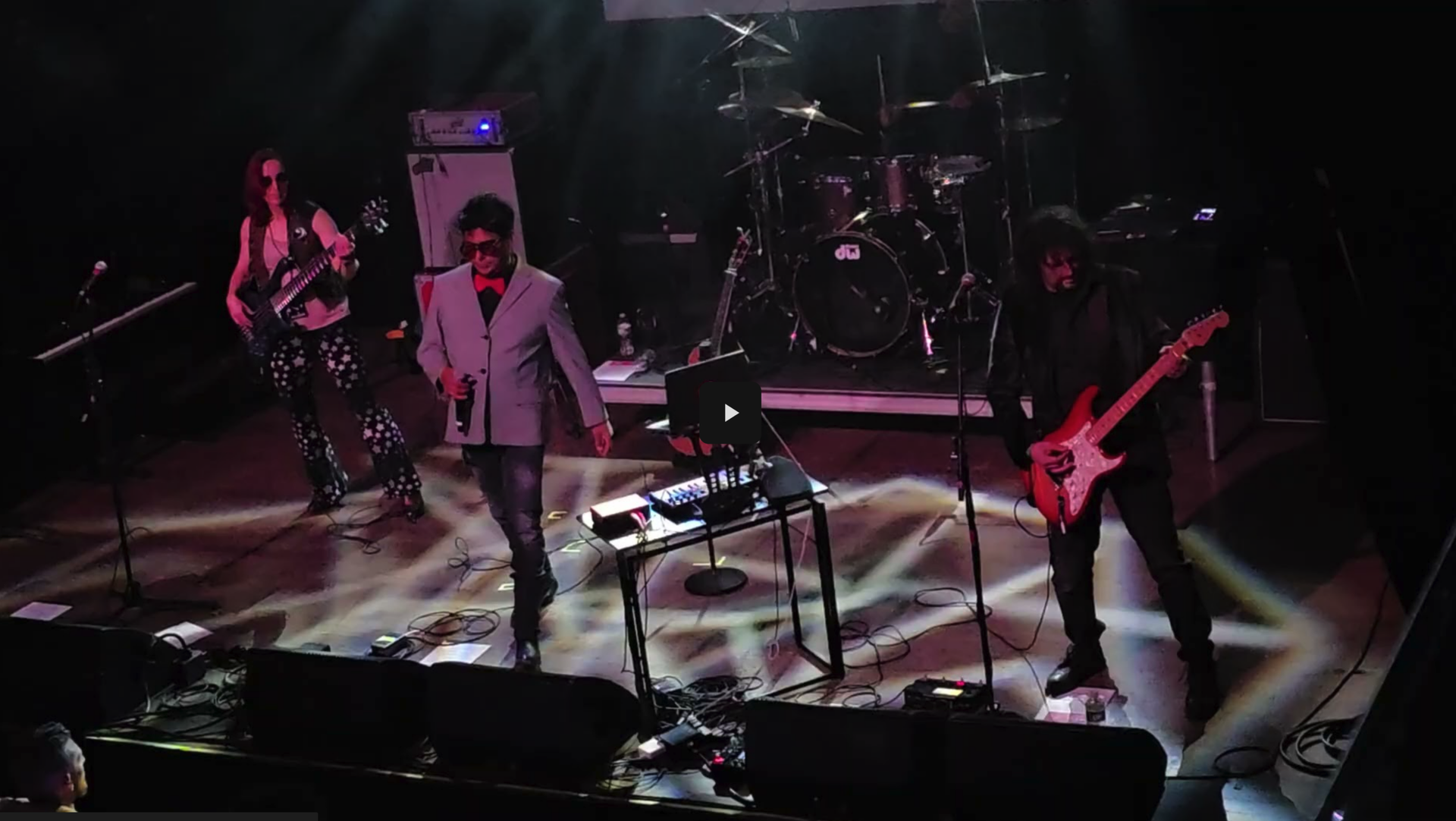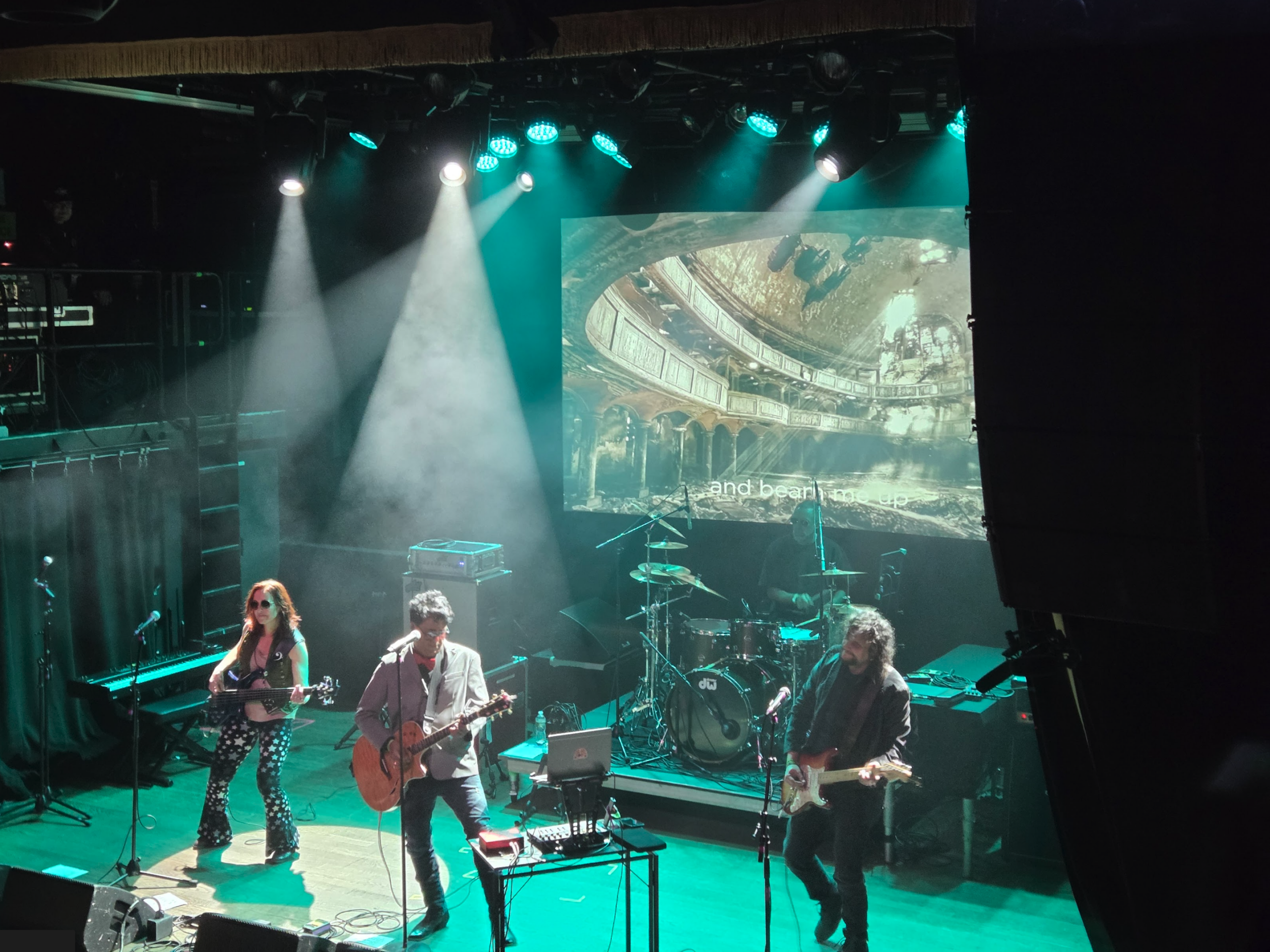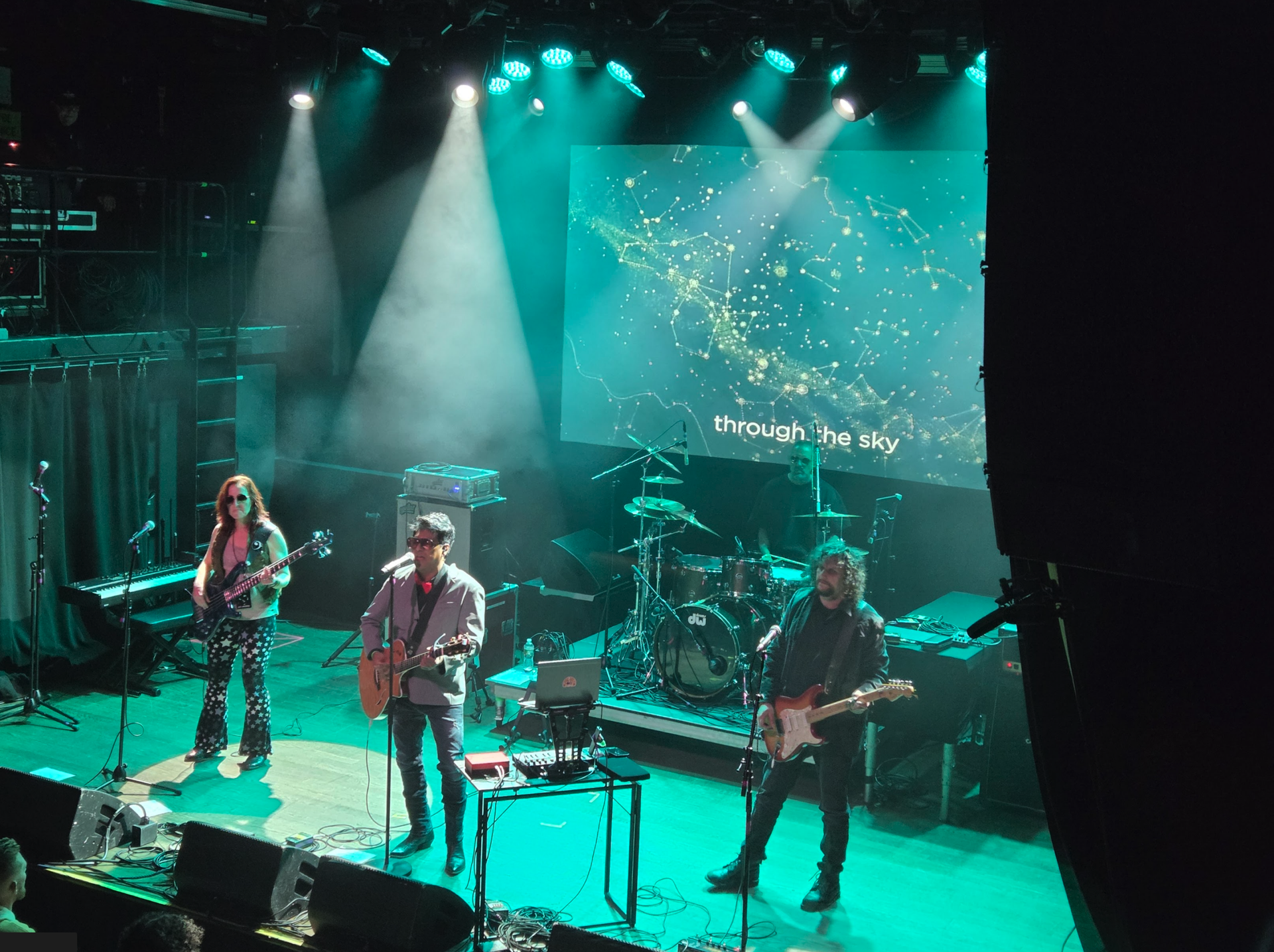
Eight shows, three drummers, and one reminder about attention.
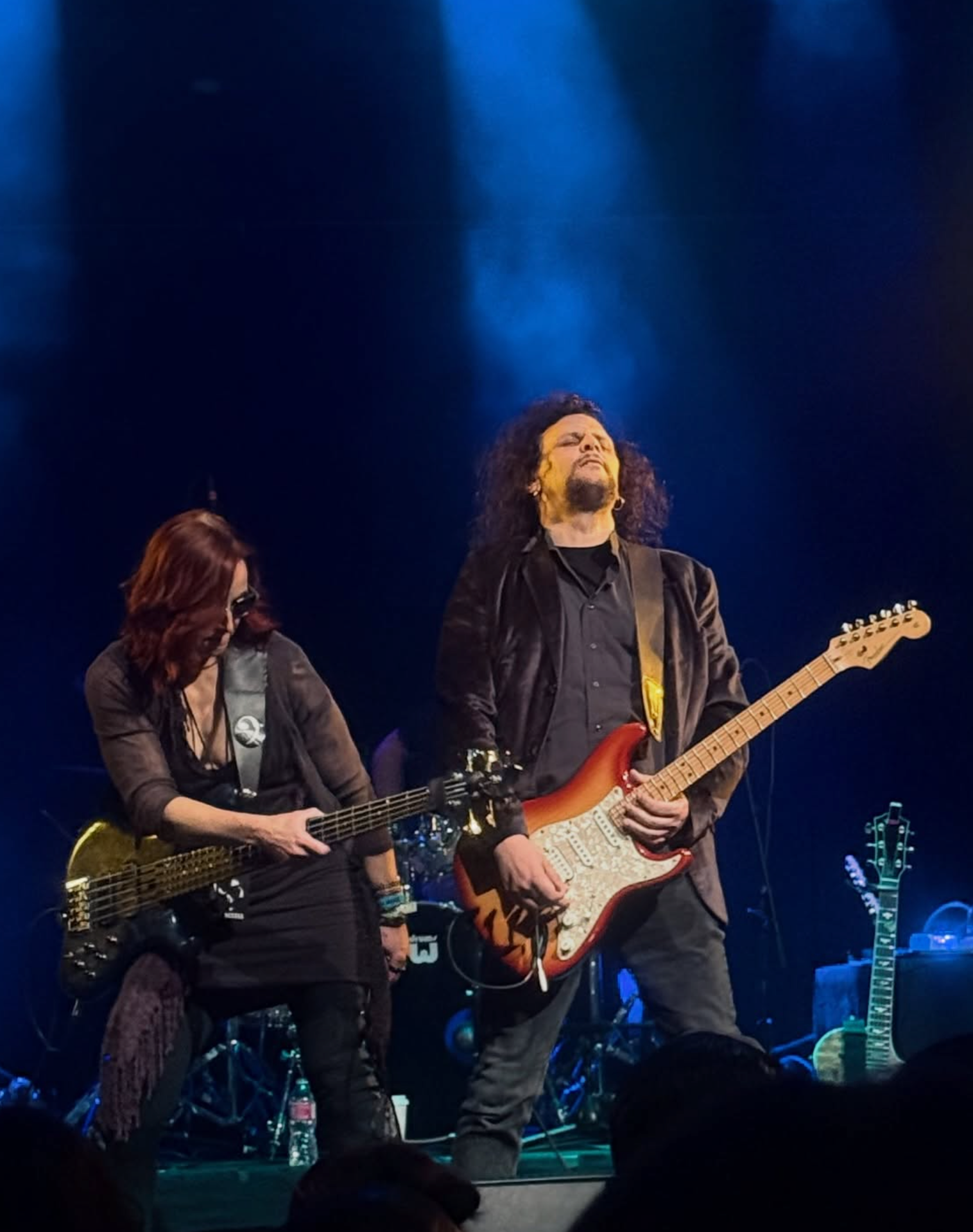
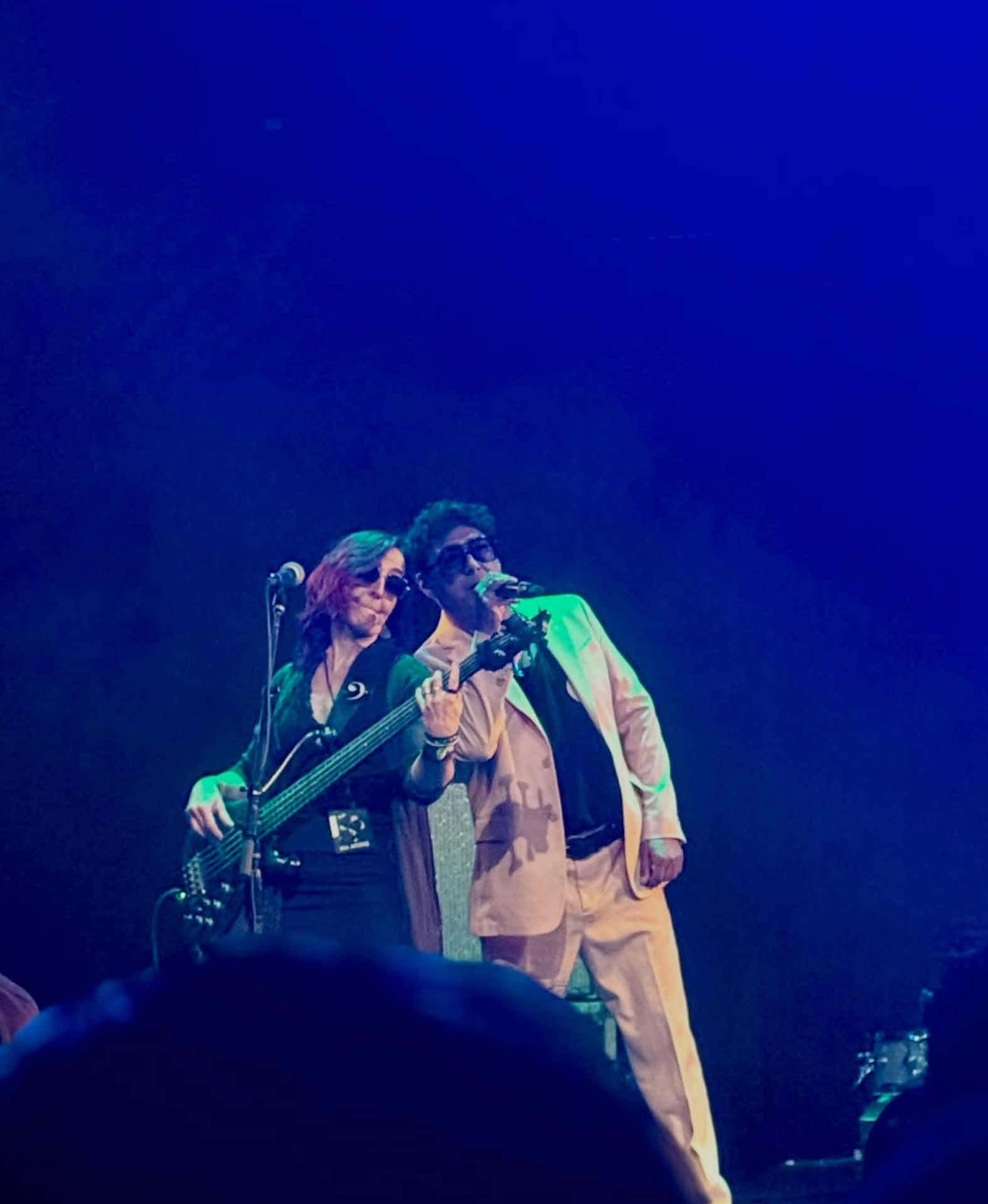
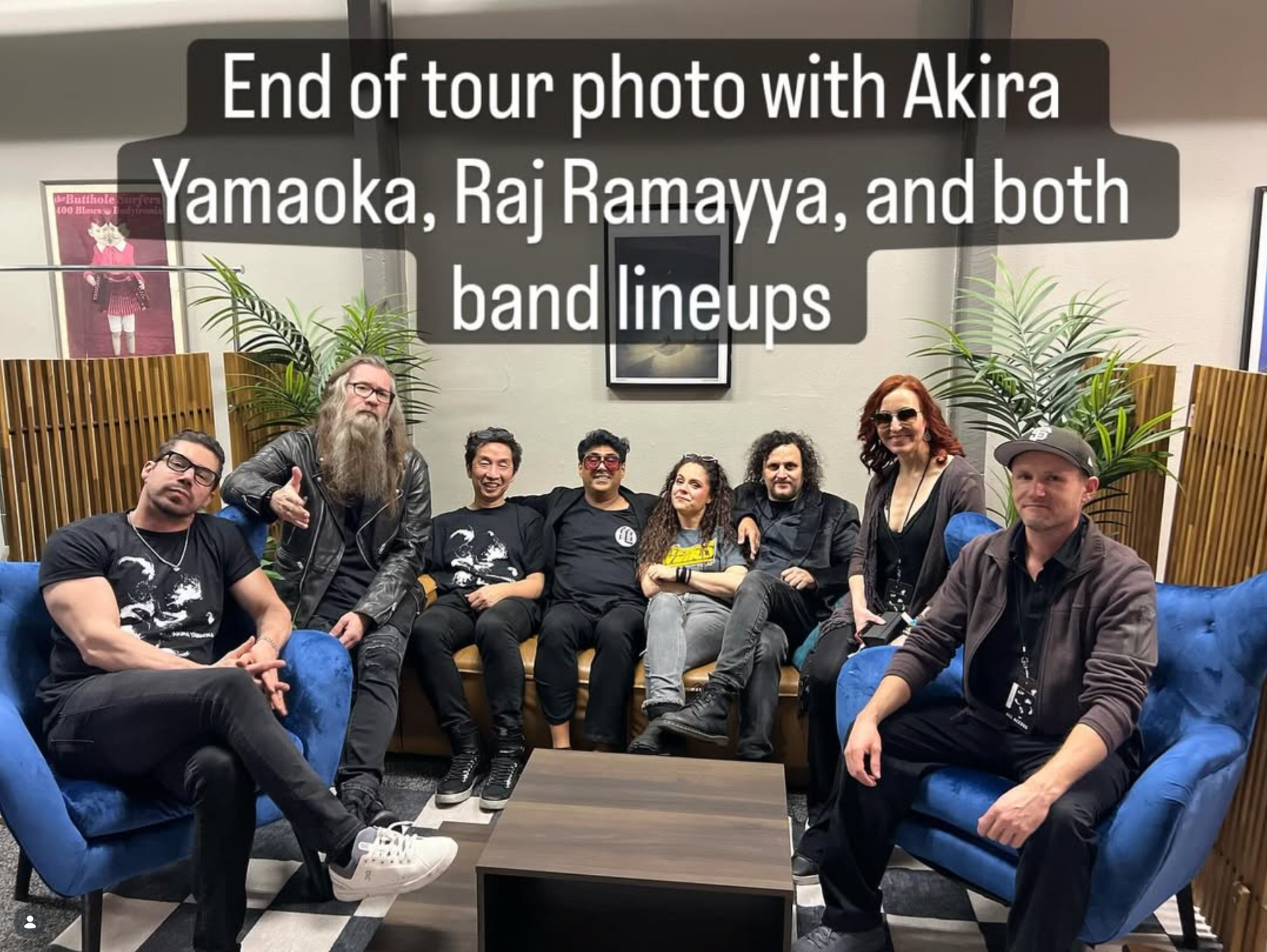
I just got back from a tour with Raj Ramayya and Akira Yamaoka.
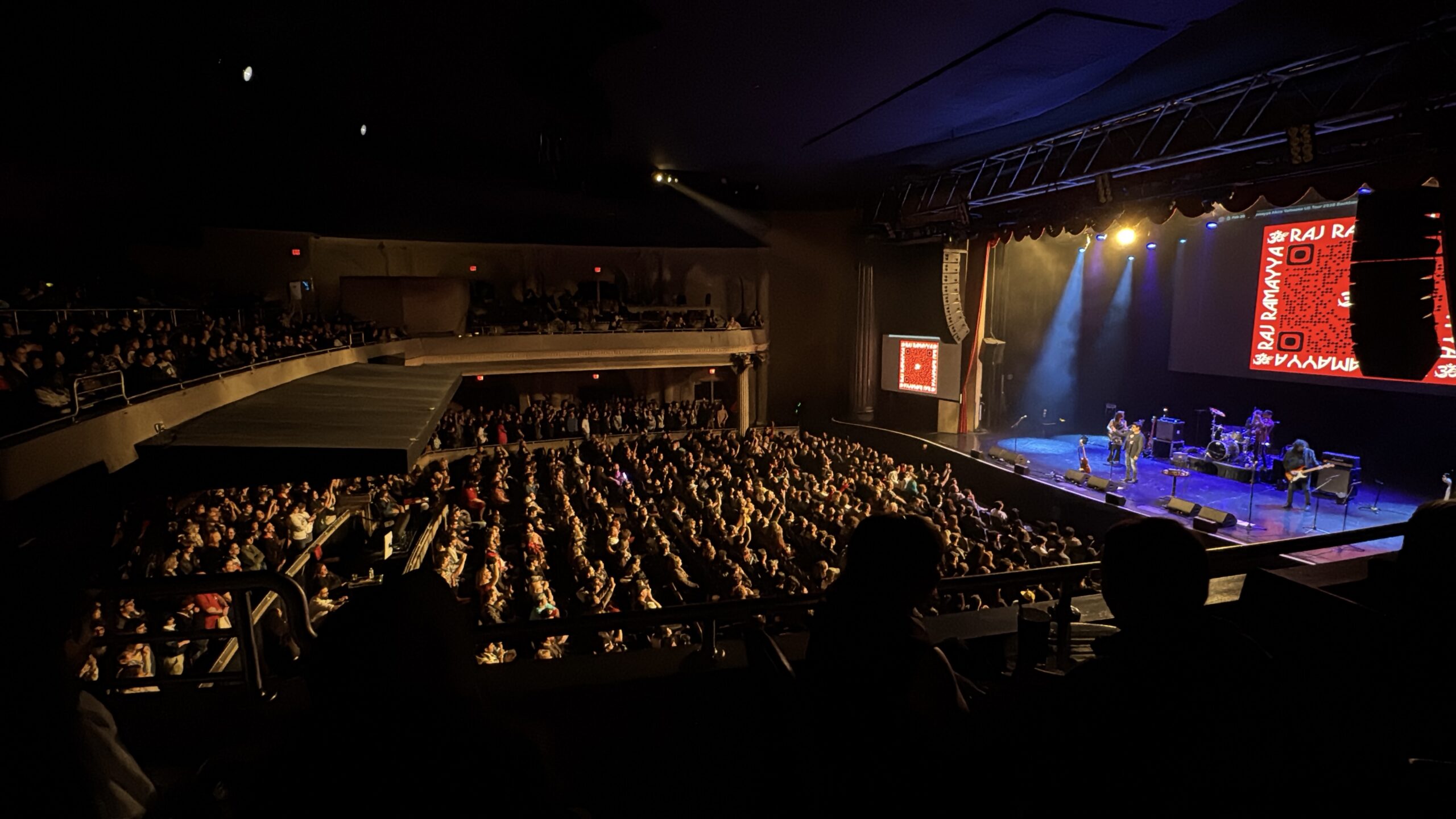
Eight shows in seven cities, literally from New York (Irving Plaza) to Los Angeles (The Belasco). Flights, vans, sold-out venues, photos with fans. The whole rock star treatment.
One thing that surprised me was the audience. Several people told us it was their first concert ever. Fans of Cowboy Bebop, Silent Hill, and Ghost in the Shell hearing the soundtrack of their youth played live in the room for the first time.
Pretty cool to be someone’s first concert.
One musical challenge on this run: we played with three different drummers.
That keeps you alert. Every drummer shapes the pocket a little differently.
One musical challenge on this run: we played with three different drummers: California groove litigator Alec Wheatley, 16 year old drum phenomenon Yoyoka and Florida pulse master Rion Smith
That keeps you alert. Every drummer shapes the pocket a little differently.
In New York, drummer Rion Smith and I rented a rehearsal room to run the tunes. We had only played together twice before, so tightening things up felt worth the time.
Side note: the map said 20 minutes by car and 10 minutes on foot. That’s New York math.
We ran the songs with just bass, drums, and the effects track.
That setup reveals everything. No vocals. No keys. No cushion.
At one point Rion pointed out a section where he had to play very forcefully, followed immediately by a few bars that needed to feel completely relaxed. Same tempo. Same groove. Different energy.
That made me think of PORA. Principles of Rotating Attention.
The notes stay the same, but your attention moves. One round you focus on timing. Another on note length. Another on tone. Another on relaxation.
In that rehearsal the focus was energy.
How much push a section needed. How much air the next one needed.
We ran the tunes again with that lens. By the end we were more relaxed and the groove felt noticeably deeper.
Note to self: sometimes the fastest way to deepen a groove is not new notes. It is better attention.
Big stage. Big production.
But the rehearsal that made the biggest difference was still the simplest format there is.
Bass. Drums. Attention.
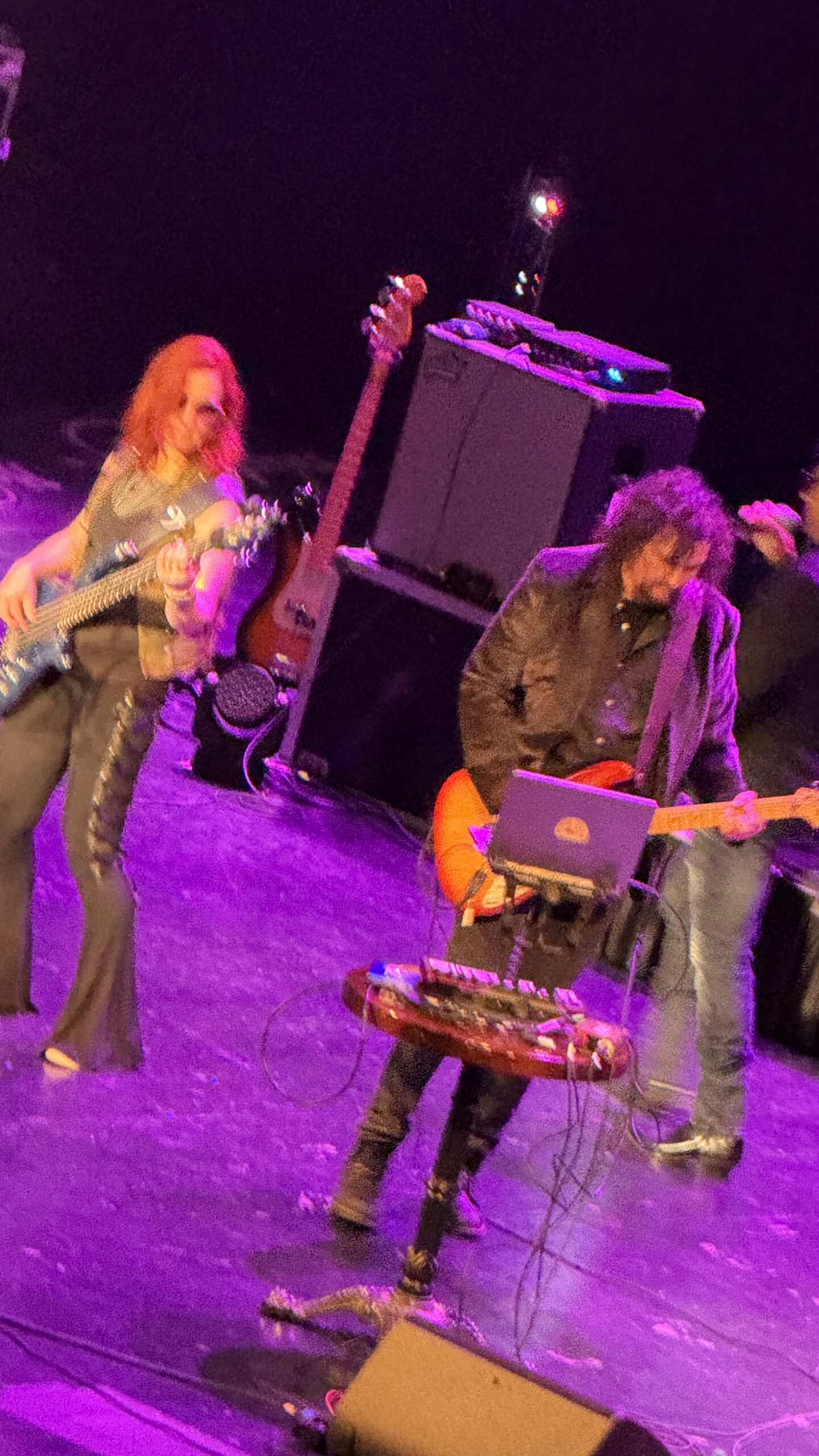
Here are a few clips from the shows if you want to see the vibe:
Thanks to Tara Rae for the video!
Practice Spark
Take one groove and play it for three minutes. Rotate attention every 30 seconds: timing, note length, tone, relaxation, energy.
Practice a bass line with only drums or a drum loop. Notice how clearly every note start and stop is exposed.
Pick a section of a song and describe the energy of each phrase before you play it.
FAQ
Why does practicing with just drums make my playing feel harder?
Because the harmonic cushion disappears. When guitars and keys are present, they mask small timing issues and uneven note lengths. With only drums, the bass becomes the center of the groove. Every note start, stop, slide, and dead note becomes obvious. It can feel uncomfortable at first, but it is one of the fastest ways to tighten your time and develop a deeper pocket.
You might also like: