What is an Accountability Coach?
Ever started a course on your own, got busy, and never finished? You’re not alone, that’s the norm, not the exception. A “cohort” fixes that: a 12-week guided group, not a self-paced video library. Real deadlines, five units, live sessions with me, and people in your corner who notice if you go quiet – our accountability coaches. That’s why grads finish instead of stalling.
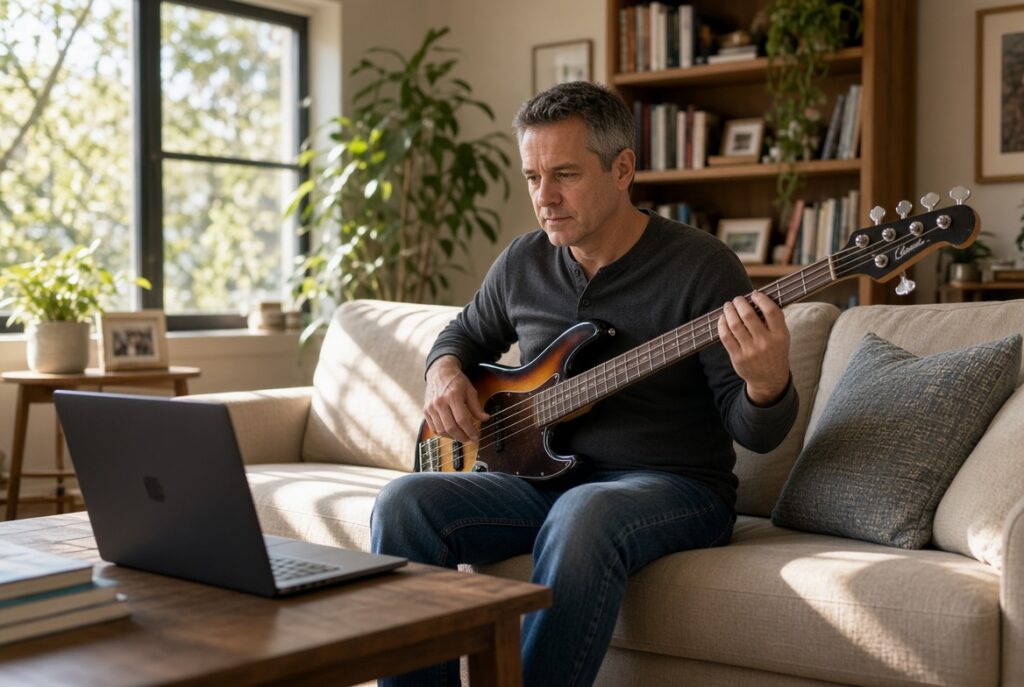
Here’s how our Accountability Coaches came to be. When I built that format, I knew great content alone wouldn’t cut it; the internet can get lonely and learning an instrument on your own without any feedback or support can get tough. So I hand-picked a handful of our course grads and asked if they’d coach – meaning help the next class of students accomplish what they had accomplished – finish the course and learn. Every one of them said yes.
Meet 5 of our Coaches
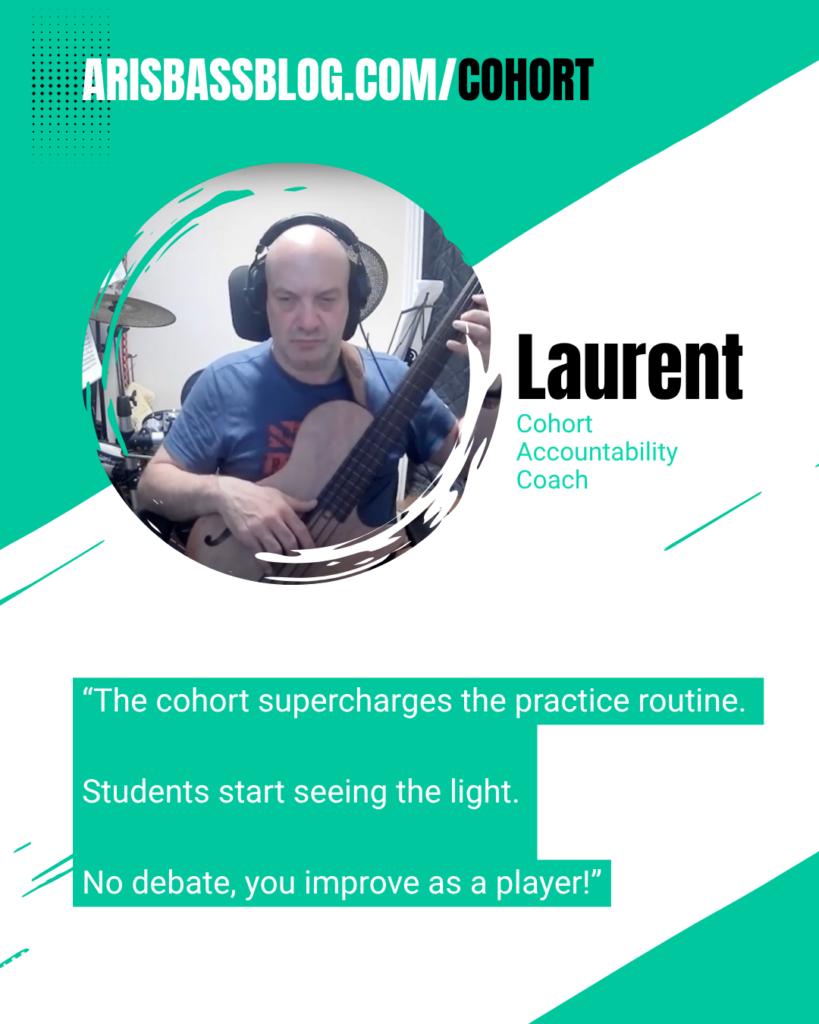
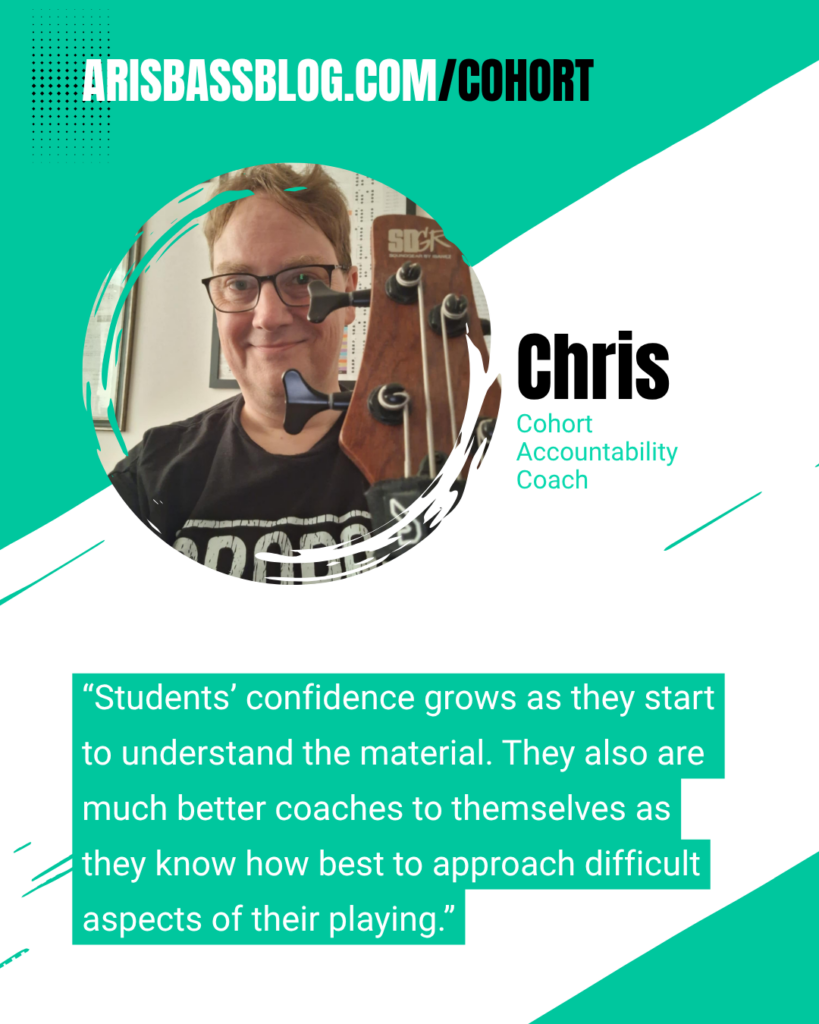
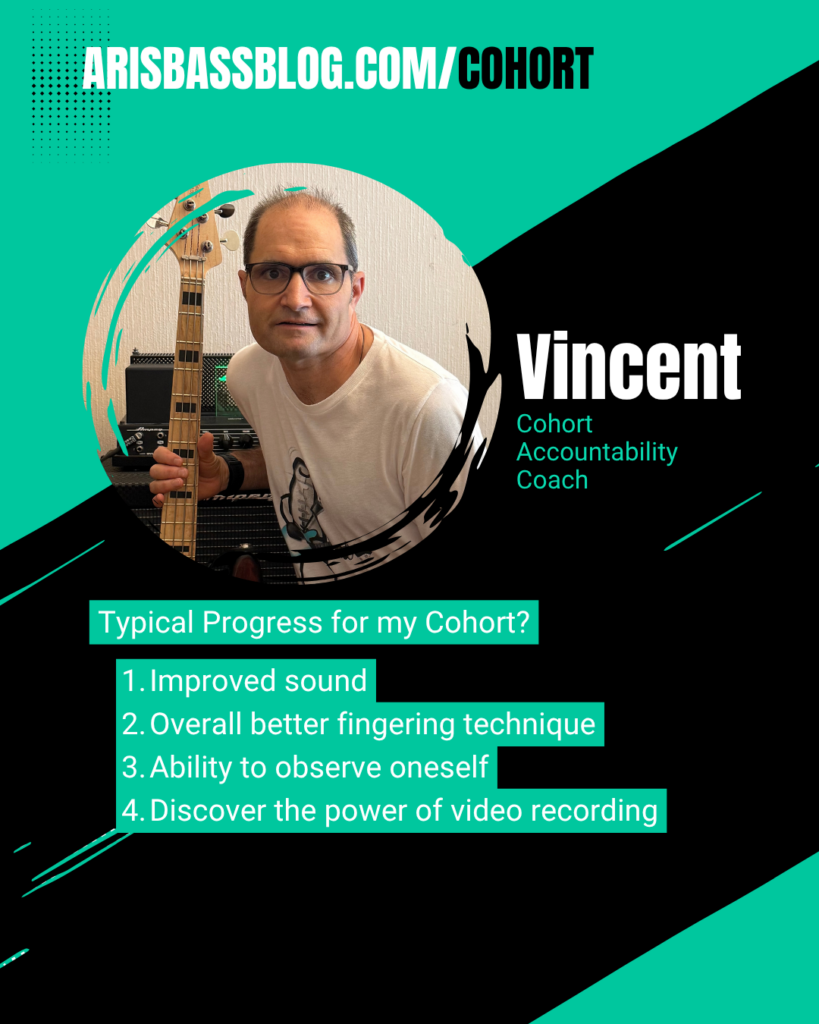
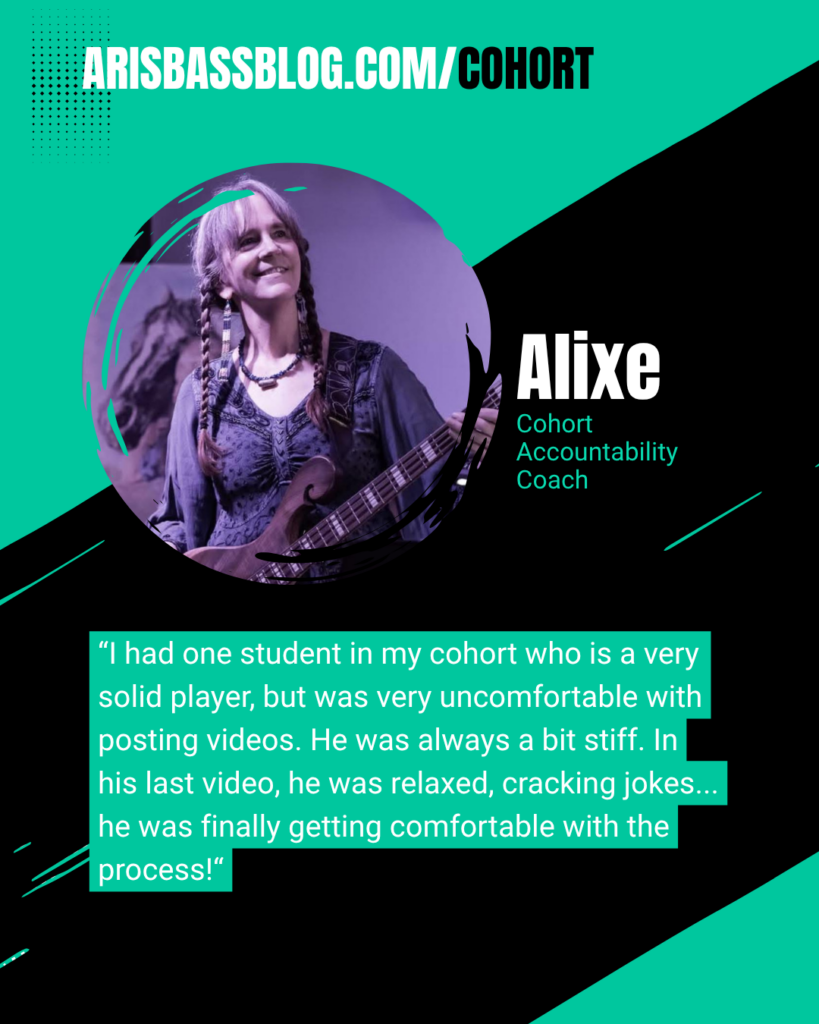
Tracie, Laurent, Chris, Vincent, and Alixe are five of our long-term accountability coaches who’ve stepped up many times, all of them sitting exactly where you are now, not that long ago. They’re not teachers, that’s still my job. They’re accountability coaches, a second pair of ears, who will check out your homework submissions and check in on you if you fall behind; they are proof the material works, because they’ve already lived it, and they are in your corner for you to succeed.
Here is the cool part: coaching sharpens a coach’s playing as much as the student’s. You can’t spot a shaky attack in someone else’s video without getting more honest about your own. That’s the same mechanism the whole cohort model runs on: real feedback changes players, whichever side of it you’re on.
In their words:
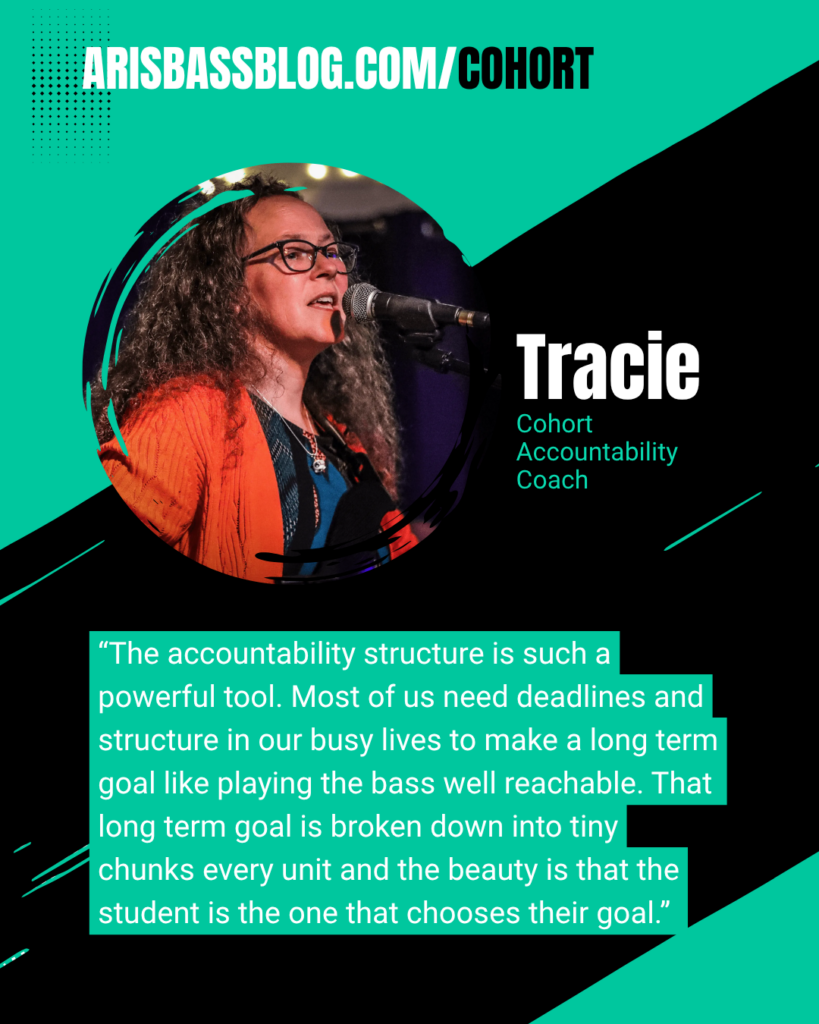
Tracie: “The accountability structure is such a powerful tool… the beauty is that the student is the one that chooses their goal.”
Laurent: “The cohort supercharges the practice routine. Students start seeing the light. No debate, you improve as a player.”
Chris: “Students’ confidence grows as they start to understand the material.”
Vincent, on typical cohort progress: better sound, cleaner fingering technique, the ability to observe yourself, and what he calls “the power of video recording.”
Alixe: “I had one student in my cohort who is a very solid player, but was very uncomfortable with posting videos… In his last video, he was relaxed, cracking jokes… he was finally getting comfortable with the process!”
⚡️Practice Spark ⚡️
Text one person right now: “This week I’m working on ___.” Send it before you second-guess it.
Watch how you do. That mechanism, someone noticing, is behind our own success stats: cohorts here finish at rates between 65% (2026 Spring Rhythm Cohort) and 100% (2026 Spring Evolution Cohort). Structure, not luck!
To join: All four fall cohorts start September 3; homework, accountability, feedback, community:
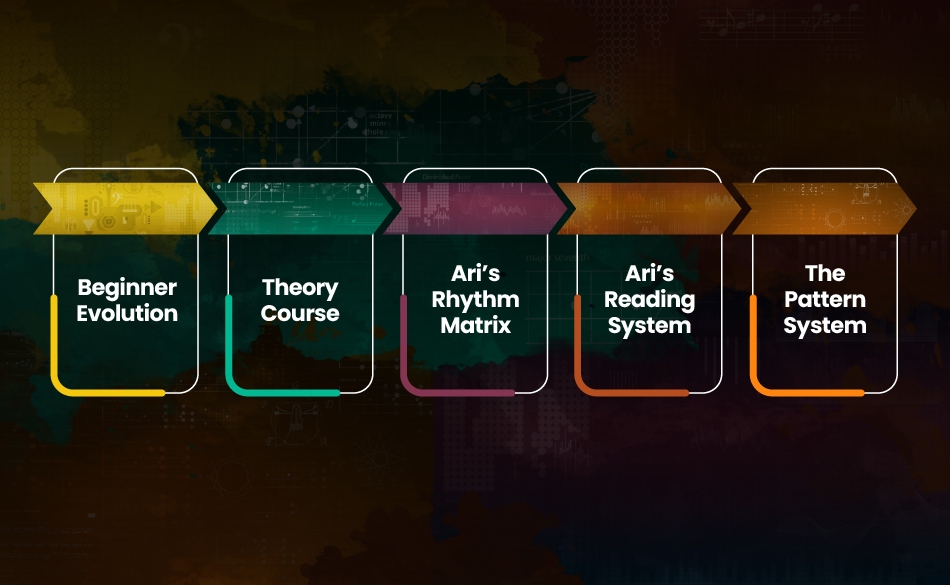
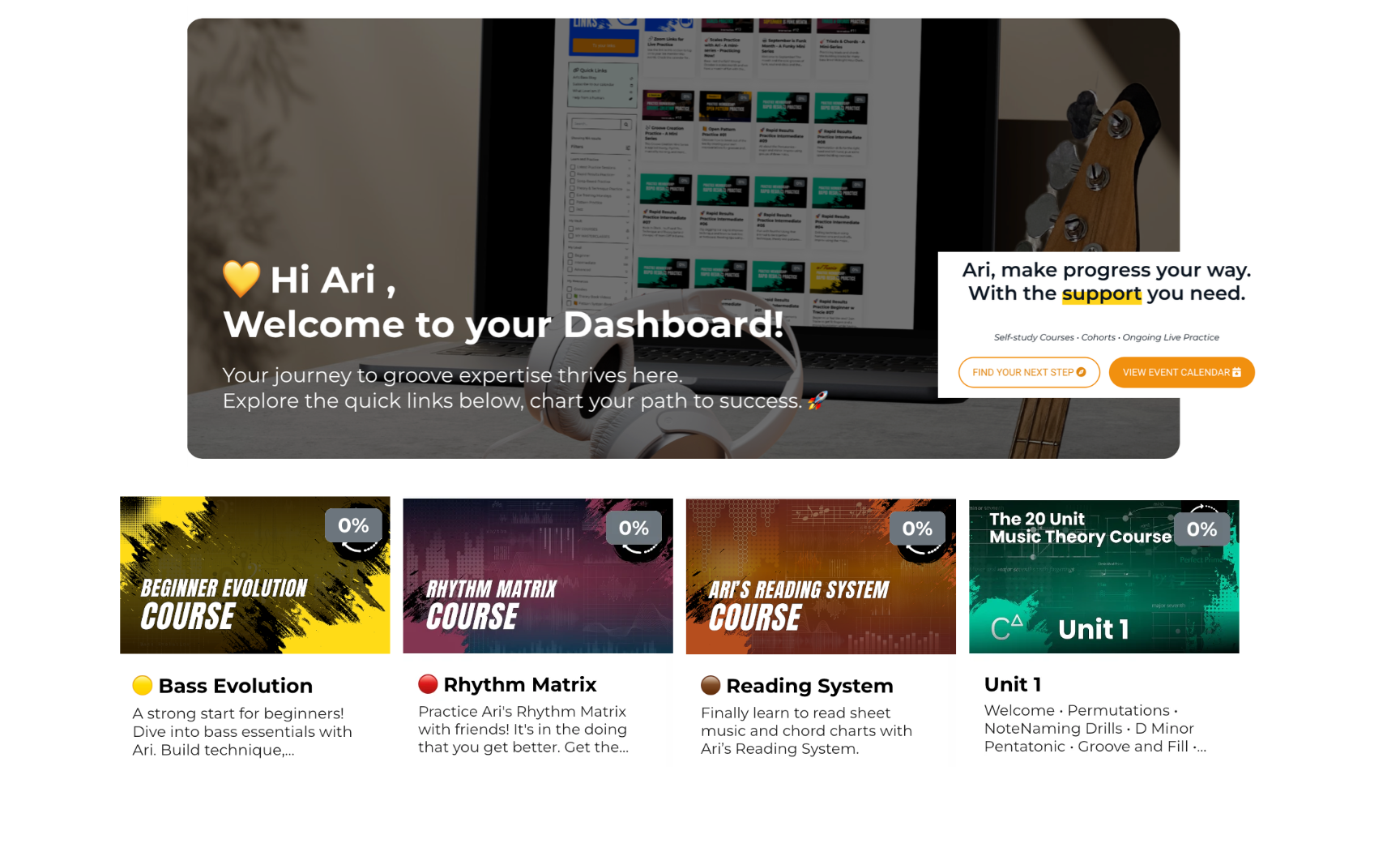
Beginner Evolution: song-first and low-stress, the must-knows early on, tone, time, technique, rhythm; simple lines that groove.
Music Theory for the Bass Player: neck fluency, connecting shapes to sound, turning theory into lines you’d actually play. Especially good if you started this course once and stalled.
Rhythm Matrix: your internal clock, subdivision, pocket, and creative feel, built around Ari’s 16 Shapes framework.
Reading System: 5 shapes, one method, for reading charts and standard notation.
Don’t miss it, cohorts starting now: