Gear Talk can wait. This can’t. Let’s talk bass tone.
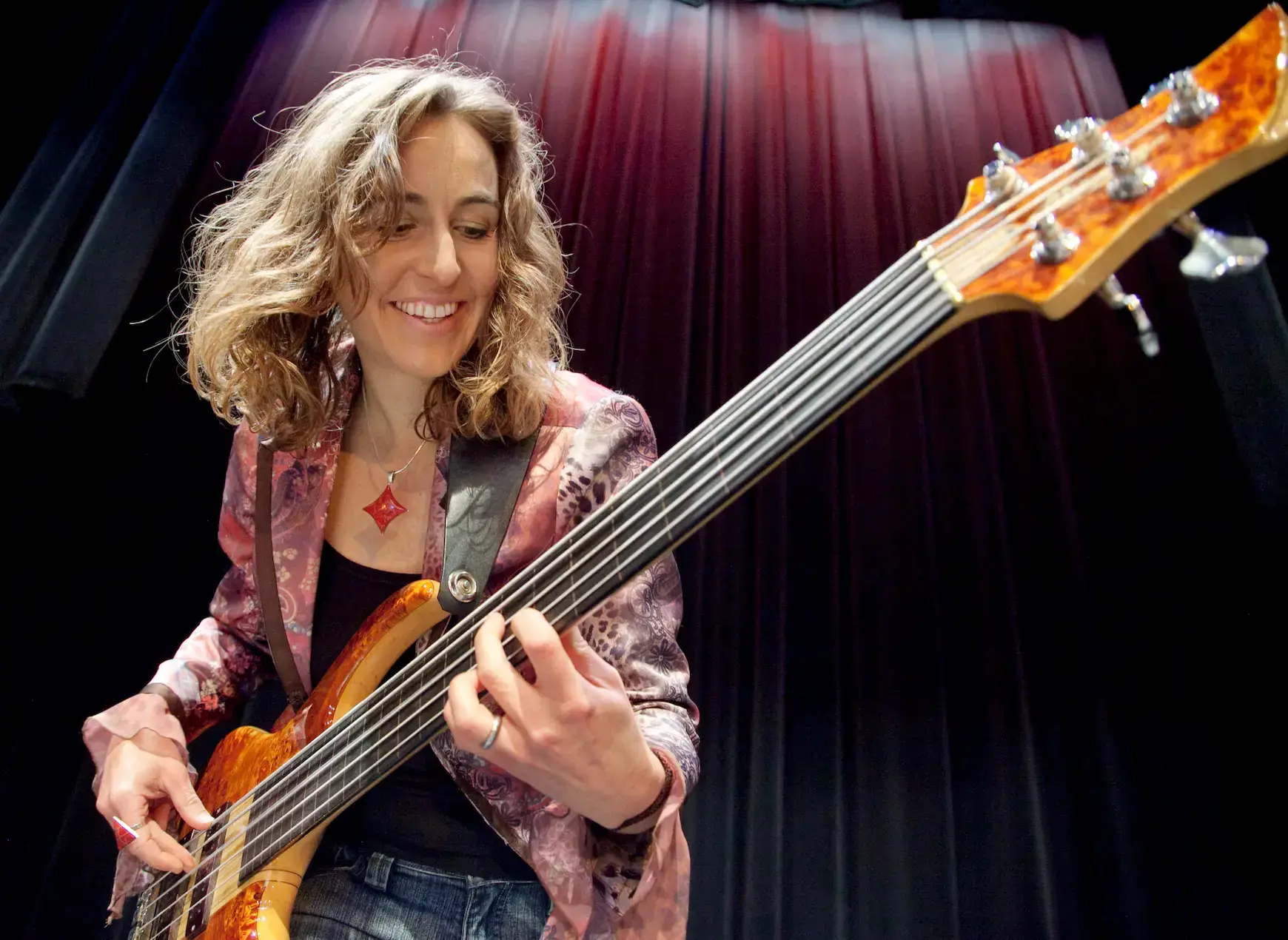
I love my Marleaux basses. No doubt about it – they’re a big part of my bass tone, my playing comfort, and my bass player identity. That said, it’s a mistake to make gear responsible for your bass tone.
This is the tone truth that takes a while to accept: most of your sound lives in your hands.
Attack angle, finger placement, phrasing, rhythmic accuracy, how you dig in, where on the string you pluck, how relaxed you are as you play – these variables move the needle more than strings, pickups, or a new amp. The players you’re watching with that perfect fat bass tone? Years of right-hand development got them there. Their gear helps. It’s not the point.
I get emails about this regularly. “If I only had gear like yours.” And occasionally: “Will you buy me a bass?” Don’t sweat your gear so much. Sure, it’s fun to talk about – strings to axes, pedals to cabs. But the groove is in the heart and the tone is in the fingers.
Rather than stress about the bass, get a decent setup – any local tech can check your action and intonation for not much money, or teach yourself how to do it – practice with consistent tone and solid right-hand placement, and let the gear conversation wait a few months. Your fingers will improve faster than your budget anyway.
 Practice Spark
Play the same note three ways: plucking near the bridge, near the neck, and in the middle. Listen to how the tone shifts. From jazzy smooth warmth closer to the neck to Jaco funkiness near the bridge – and everything in between. Find your bass’s sweet spots and use them to shape your bass tone. That range, all from finger position, is your built-in EQ.
Summary: This three-part series came down to three things: Relaxation. Intention. Technique. Work those and the gear question mostly answers itself.
 Ready to build real bass tone and bass technique with structure? Live Practice with Ari is open now – come practice along with us and get feedback in real time.
Be sure to check out the first two articles in this series:
- Part 1: How to play with less tension (relaxed)
- Part 2: Deliberate Practice